The humble office canteen has evolved from a basic necessity to a strategic workspace asset. Today’s office canteens serve as multifunctional hubs where employees collaborate, socialize, recharge, and even work. A well-designed canteen doesn’t just feed your team—it nurtures innovation, strengthens company culture, and enhances employee well-being.

Recent workplace studies reveal just how crucial these spaces have become. According to research by Steelcase, 91% of highly satisfied workers have access to casual spaces like well-designed canteens, compared to just 32% of dissatisfied employees. Furthermore, a Harvard Business Review study found that casual collisions in spaces like canteens lead to a 20% increase in communication between departments—driving innovation and collaborative problem-solving.
In this comprehensive guide, we’ll explore everything you need to know about modern office canteen furniture: from space planning to sustainability, from material selection to maintenance. Whether you’re designing a canteen from scratch, upgrading an existing space, or simply looking to optimize your workplace amenities, this article provides the insights you need to create a canteen that works as hard as your team does.
Office Canteen Fundamentals: Purpose and Potential
The Multifunctional Modern Canteen
Today’s office canteens serve multiple purposes beyond simply providing a place to eat:
- Social hub: Facilitating casual interactions that build relationships across departments
- Collaboration zone: Supporting impromptu meetings and brainstorming sessions
- Wellness space: Offering mental breaks and promoting healthy eating habits
- Flexible workspace: Providing alternative settings for focus work or casual meetings
- Culture showcase: Reflecting company values and branding through thoughtful design
- Talent attraction tool: Impressing potential hires with workplace amenities
According to Workplace Insight, companies that invest in well-designed canteens report up to 25% higher employee satisfaction scores and see measurable improvements in talent retention.
Key Elements of Successful Canteen Design
Before diving into specific furniture options, consider these foundational elements that shape effective canteen spaces:
- Traffic flow: Ensuring smooth movement during peak usage times
- Sound management: Balancing lively conversation with comfortable noise levels
- Lighting design: Combining natural and artificial light for comfort and energy efficiency
- Spatial variety: Offering different zones for various activities and preferences
- Technology integration: Providing power access and potential AV capabilities
- Brand alignment: Reflecting company culture through colors, materials, and layout
Essential Office Canteen Furniture: Options and Considerations
Tables: The Heart of Your Canteen Space
Tables form the foundation of any canteen setup. The right selection depends on your specific needs, space constraints, and workplace culture:
Communal Tables

Long communal tables foster a sense of community and maximize space efficiency. These tables work particularly well for:
- Building cross-departmental relationships
- Accommodating large groups during peak times
- Creating a vibrant, energetic atmosphere
Recommended specifications:
- Height: Standard dining height (29-30 inches)
- Width: 36-42 inches for comfortable face-to-face dining
- Length: 8-12 feet to accommodate multiple small groups
- Materials: Durable surfaces like laminate, solid surface, or wood veneer
- Features: Consider integrated power options for laptop users
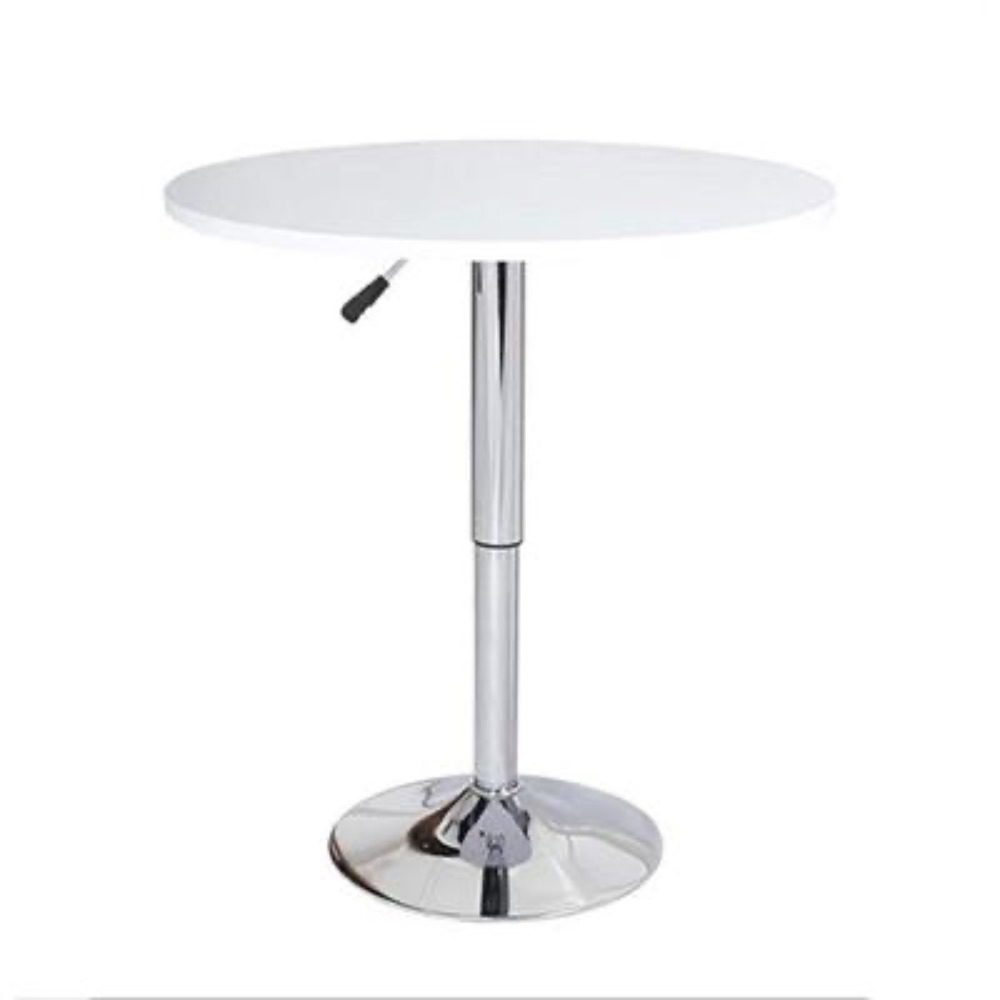
Café Tables
Round or square café tables offer flexibility and support more intimate conversations. These work well for:

- Small team discussions
- One-on-one meetings
- Creating a coffee-shop atmosphere
- Maximizing flexibility with movable furniture
Recommended specifications:
- Size: 24-36 inch diameter/square
- Height: Standard (29-30 inches) or bar height (40-42 inches)
- Materials: Laminate, solid surface, or wood tops with metal bases
- Base styles: Pedestal bases maximize legroom and flexibility
High-Top Tables
Bar-height tables introduce vertical variety and create casual standing interaction zones. These are ideal for:
- Quick meetings or meals
- Promoting movement throughout the day
- Defining zones within open canteen spaces
- Creating a modern, casual atmosphere
Recommended specifications:
- Height: 40-42 inches
- Size: Various options from small 24-inch squares to long communal styles
- Materials: Durable surfaces that withstand spills and frequent cleaning
- Footrails: Essential for comfortable seating at bar height
Seating: Comfort Meets Functionality
The right mix of seating options accommodates different preferences, activities, and space requirements:
Chairs
Canteen chairs should strike a balance between comfort and durability while complementing your aesthetic:
- Side chairs: Traditional dining chairs with or without arms
- Stacking chairs: Space-efficient for storage and flexibility
- Sled-base chairs: Easier floor cleaning and durability
- Custom-branded options: Opportunity to incorporate company colors
Materials to consider:
- Polypropylene: Durable, affordable, easy to clean
- Wood: Warmth and natural aesthetic
- Metal: Industrial look with maximum durability
- Upholstered options: Added comfort for longer sitting periods
Stools
Bar-height stools complement high-top tables and counter seating:
- Backless stools: Space-efficient and casual
- Low-back stools: Better comfort for longer sitting
- Swivel options: Encourage movement and interaction
- Height-adjustable versions: Maximum adaptability
Bench Seating
Benches offer space efficiency and a communal feel:
- Backless benches: Space-efficient but less comfortable for long periods
- Backed benches: Better support for extended sitting
- Built-in options: Maximize space along walls or windows
- Storage benches: Hidden functionality for canteen supplies
Booth Seating
Restaurant-style booths create defined spaces within larger canteens:
- Privacy: Semi-enclosed space for focused conversations
- Acoustic benefits: Reducing noise transmission
- Space efficiency: Maximizing seating along walls
- Branding opportunities: Custom upholstery in company colors
According to BIFMA (Business and Institutional Furniture Manufacturers Association), commercial-grade seating should meet specific durability standards. When selecting seating, look for products tested to BIFMA X5.1 standards to ensure your investment withstands daily use.
Storage and Service Furniture
Functional support furniture helps your canteen operate smoothly:
Condiment Stations
These centralized areas keep supplies organized and accessible:
- Coffee stations: For self-service beverage options
- Utensil organizers: For silverware, napkins, and condiments
- Waste sorting stations: Supporting sustainability initiatives
- Modular options: Adaptable to changing needs
Mobile Carts
Versatile carts add flexibility to your canteen setup:
- Beverage service: For coffee, water, or special events
- Food distribution: Supporting catered events
- Material collection: For dish return and waste management
- Multi-purpose functionality: Adapting to different needs
Display and Refrigeration
Consider how food service requirements impact your furniture needs:
- Refrigerated display cases: For pre-packaged foods and beverages
- Ambient display units: For grab-and-go items
- Menu boards: Digital or analog information displays
- Point-of-sale counters: For transaction areas if applicable
Design Approaches: Creating Zones Within Your Canteen
The Activity-Based Canteen
Modern canteens often incorporate different zones to support various activities:
Quick-Bite Zone
Fast turnover areas designed for efficient eating:
- High-top standing tables: Encouraging shorter stays
- Efficient seating arrangements: Maximizing capacity
- Proximity to food service areas: Minimizing walking distances
- Durable, easy-clean surfaces: Supporting rapid turnover
Social Dining Zone
Comfortable areas designed for longer meals and conversations:
- Varied table sizes: Accommodating different group sizes
- Comfortable seating: Supporting longer stays
- Pleasant acoustics: Facilitating conversation
- Attractive design elements: Creating a restaurant-like experience
Work-Friendly Zone
Areas designed for working lunches or afternoon focus work:
- Power access: Supporting laptop use
- Task lighting: Reducing eye strain
- Semi-private spaces: Allowing concentration
- Acoustic considerations: Minimizing distractions
Lounge Zone
Relaxed spaces for breaks and casual interactions:
- Soft seating: Lounge chairs, sofas, or bean bags
- Coffee tables: Supporting casual use
- Media integration: Potential for screens or entertainment
- Residential feel: Creating a home-like comfort zone
According to Workspace Design Magazine, canteens with clearly defined zones see 30% more usage throughout the day compared to single-purpose designs.
Material Selection: Balancing Aesthetics and Practicality
Durability Factors
Office canteen furniture faces unique challenges:
- High traffic: Constant use throughout the day
- Food and beverage exposure: Potential for stains and damage
- Cleaning chemicals: Regular sanitization requirements
- Moving furniture: Potential for impact damage
Recommended Materials
Table Surfaces
- High-pressure laminate: Affordable, durable, wide variety of finishes
- Solid surface materials: Seamless, non-porous, highly durable
- Phenolic: Extremely durable, thin profile, contemporary look
- Wood with protective finishes: Warmth with added durability
Seating Materials
- Commercial-grade fabrics: Look for 100,000+ double-rub ratings
- Vinyl and faux leather: Easy cleaning and moisture resistance
- Antimicrobial treatments: Added hygiene protection
- Stain-resistant technologies: Preventing permanent damage
Frame Materials
- Steel: Maximum durability and stability
- Aluminum: Lightweight yet strong
- Hardwoods: Natural beauty with proper construction
- Reinforced composites: Modern alternatives with performance benefits
Sustainability Considerations
Increasingly important factors in furniture selection include:
- Recycled content: Materials made from post-consumer waste
- VOC emissions: Low chemical off-gassing for better air quality
- End-of-life recyclability: Components that can be reclaimed
- Local sourcing: Reducing transportation carbon footprint
- Certifications: Look for GREENGUARD, BIFMA level®, or FSC certifications
According to the U.S. Green Building Council, sustainable furniture choices can contribute to LEED certification points while creating healthier indoor environments.
Space Planning: Maximizing Your Canteen’s Potential
Space Allocation Guidelines
Industry standards suggest the following allocations:
- Dining space: 12-15 square feet per seat
- Circulation paths: Minimum 36-inch aisles (48+ inches for main pathways)
- Service areas: 15-20% of total canteen footprint
- Support spaces: Consider storage, waste management, and cleaning needs
Capacity Planning
When determining how many seats your canteen needs:
- Average usage: Typically 25-35% of total employees at peak times
- Scheduling factors: Staggered lunch breaks can reduce space requirements
- Turnover rate: Average 20-30 minutes per meal in corporate settings
- Growth projections: Plan for 5-year workforce expansion
Layout Optimization
Strategic furniture arrangement can dramatically impact functionality:
- Traffic flow analysis: Map primary movement paths before placing furniture
- Logical adjacencies: Position related functions near each other
- Queue management: Ensure waiting lines don’t block seated diners
- Sight lines: Maintain visual connections across the space
- Accessibility compliance: Meet or exceed ADA requirements (or local equivalents)
A study by Gensler Research Institute found that thoughtfully designed canteens can increase spontaneous collaboration by up to 35% while significantly improving employee satisfaction with the workplace.
Technology Integration: The Connected Canteen
Power Access
Modern canteens should accommodate technology use:
- Table-integrated power: In-surface outlets or grommets
- Power towers: Freestanding charging stations
- Under-table power trays: Concealed but accessible solutions
- USB charging options: Supporting mobile devices
Digital Integration Possibilities
Consider these technology enhancements:
- Digital menu boards: For corporate cafeterias with changing options
- Occupancy indicators: Showing table availability during peak times
- Advance ordering systems: Reducing wait times and congestion
- Wireless presentation tools: Supporting informal meetings
Acoustic Technology
Managing sound levels improves the canteen experience:
- Sound-absorbing ceiling treatments: Reducing overall noise levels
- Acoustic wall panels: Decorative and functional sound control
- Acoustic dividers: Creating zones while managing sound transfer
- White noise systems: Masking distracting conversations
Budget Considerations: Investment Strategies for Canteen Furniture
Cost Breakdown
Understanding typical budget allocations helps with planning:
- Seating: 40-45% of furniture budget
- Tables: 30-35% of furniture budget
- Support furniture: 15-20% of furniture budget
- Accessories and décor: 5-10% of furniture budget
Value-Based Selection
Consider these factors beyond initial price:
- Warranty coverage: Look for 5+ years on commercial furniture
- Replacement part availability: Ensuring long-term usability
- Cleaning requirements: Ongoing maintenance costs
- Durability testing: BIFMA compliance indicates commercial quality
- Flexibility: Multi-purpose pieces may justify higher investment
Phased Implementation
For budget constraints, consider strategic phasing:
- Essential zones first: Core dining functions before specialty areas
- Anchor pieces: Invest in key items that define the space
- Temporary solutions: Placeholder items until budget allows upgrades
- Flexible growth: Systems that can expand over time
Maintenance and Longevity: Protecting Your Investment
Cleaning Protocols
Establish regular maintenance routines:
- Daily surface sanitization: Especially for high-touch areas
- Weekly deep cleaning: For spills and food debris
- Monthly preventative maintenance: Checking stability and function
- Quarterly assessment: Identifying items needing repair or replacement
Extending Furniture Life
These practices maximize longevity:
- Staff training: Proper handling and cleaning techniques
- Protective measures: Using appropriate cleaners for each material
- Preventative maintenance: Tightening loose components before failure
- Repair program: Addressing minor damage before it worsens
Refreshing vs. Replacing
Consider these strategies for keeping your canteen current:
- Reupholstery: Updating fabric while maintaining frames
- Refinishing: Refreshing surfaces showing wear
- Reconfiguration: Rearranging existing furniture for new layouts
- Strategic replacement: Updating high-wear items while maintaining others
Current Trends in Office Canteen Design
Aesthetic Directions
These design trends are shaping contemporary canteens:
- Residential-commercial crossover: Homey comfort with commercial durability
- Biophilic elements: Plant integration and natural materials
- Color psychology: Using color to influence mood and behavior
- Brand integration: Subtle incorporation of company visual identity
Functional Evolutions
How canteen functionality is changing:
- Indoor-outdoor connections: Blurring the lines with exterior spaces
- Adaptable configurations: Furniture that transforms throughout the day
- Hoteling concepts: Reservation systems for specialized canteen zones
- Wellness integration: Supporting physical and mental health
Post-Pandemic Adaptations
Lasting changes from recent workplace shifts:
- Increased spacing options: Accommodating personal comfort levels
- Improved ventilation consideration: Furniture placement supporting air flow
- Touchless features: Reducing high-contact surfaces
- Hybrid work support: Accommodating varying office population densities
Case Studies: Successful Office Canteen Transformations
Tech Startup: Flexibility First
A growing tech company implemented these strategies:
- Modular furniture systems that reconfigure for all-hands meetings
- High-top collaboration zones with integrated technology
- Multiple seating styles supporting different work modes
- Resulted in 40% increased canteen usage and improved collaboration scores
Corporate Headquarters: Wellness Focus
A traditional corporation reimagined their canteen with:
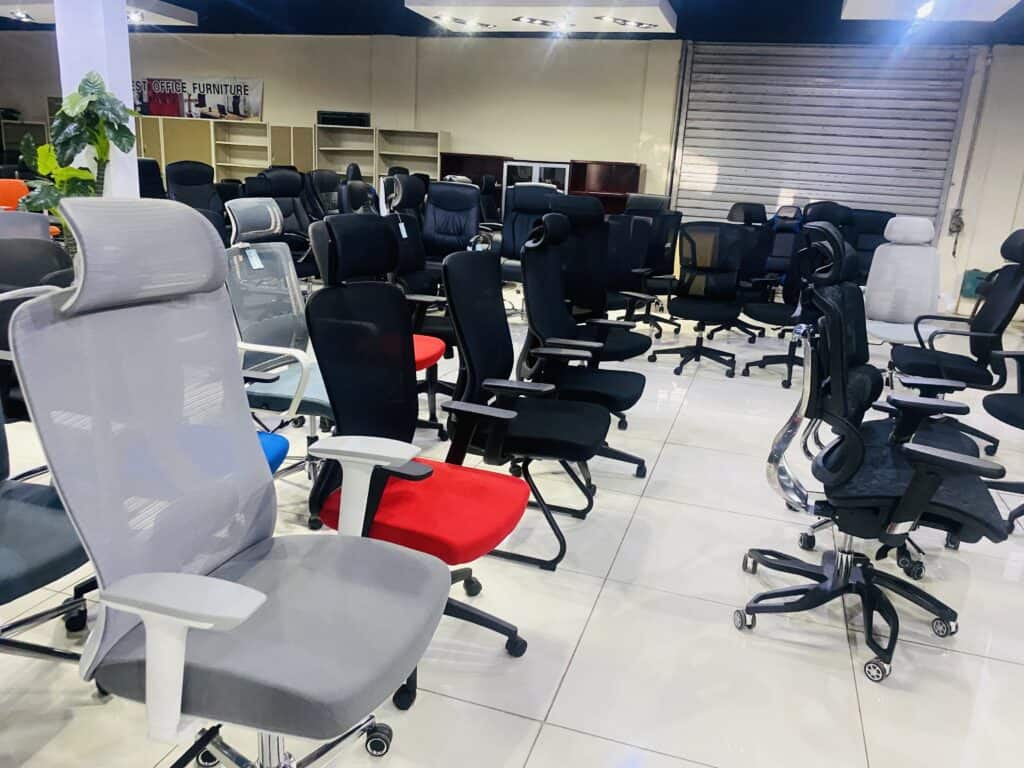
- Varied seating zones supporting ergonomic preferences
- Living wall installations improving air quality and aesthetics
- Noise management strategies creating comfortable conversation areas
- Employee satisfaction with workplace amenities increased by 53%
Creative Agency: Brand Expression
A design firm created a showcase canteen featuring:
- Custom graphics and brand elements integrated into furniture
- Flexible project display areas within the canteen space
- Artist-designed furniture pieces creating talking points
- Became a client tour highlight, directly supporting new business acquisition
Creating a Canteen That Works For Your Organization
The office canteen has evolved from a simple necessity to a strategic workspace asset. Today’s most successful organizations recognize that thoughtfully designed canteens deliver returns far beyond their physical footprint—they nurture company culture, support wellbeing, encourage collaboration, and even serve as recruiting tools.
When planning your office canteen furniture, consider the multifaceted needs of your specific organization. Balance practical requirements like durability and maintenance with experiential factors like comfort and aesthetic appeal. Remember that flexibility remains paramount as workplace needs continue to evolve.
By investing in quality commercial furniture designed specifically for canteen environments, you’ll create a space that serves your organization effectively for years to come. The most successful canteens aren’t just places to eat—they’re destinations that employees genuinely enjoy, supporting both their practical needs and their desire for connection in the workplace.
Leave a Reply